

double pane window glass
The Importance of Plastic Rebar Safety Caps with Steel Reinforcement In the construction industry, safety is paramount. One of the often-overlooked aspects of construction safety is the proper management of exposed rebar. Reinforcing bars, or rebar, are critical components that provide tensile strength to concrete structures. However, if left exposed, they can pose severe hazards to workers and bystanders. Traditional safety caps, often made from various materials, have been used to mitigate these risks. Recently, the introduction of plastic rebar safety caps reinforced with steel has emerged as a promising solution. Understanding Rebar Hazards Rebar is typically used to strengthen concrete in various structures, including bridges, buildings, and roads. When rebar is left protruding from a concrete slab or wall, it becomes a dangerous liability. Accidental contact with exposed rebar can lead to severe injuries, such as lacerations or impalement. In the hustle and bustle of a construction site, workers may inadvertently stumble upon these hazards, making safety caps an essential component of site safety management. The Innovation Behind Plastic Rebar Safety Caps Plastic safety caps are designed to cover the ends of exposed rebar, preventing accidental injuries. What sets plastic rebar safety caps with steel reinforcement apart is their enhanced durability and protective capability. The plastic part serves to cover the sharp edges of the rebar, while the steel reinforcement provides added strength, making it less likely to be damaged by environmental factors or wear and tear. The combination of plastic and steel results in a lightweight yet robust safety cap that effectively absorbs impacts and minimizes the risk of penetration injuries. The plastic exterior is also UV-resistant, ensuring it retains its effectiveness under harsh sunlight, an important feature given the outdoor nature of most construction projects. Advantages of Using Plastic Rebar Safety Caps with Steel Reinforcement plastic rebar safety cap with steel 1. Safety The primary advantage is enhanced worker safety. With the added steel reinforcement, these caps can withstand significant impact forces, reducing the likelihood of injury. 2. Durability Traditional plastic caps can often chip or break under pressure. The inclusion of steel makes these caps far more resilient, which reduces the need for frequent replacements and thus lowers overall costs. 3. Visibility Many manufacturers incorporate bright colors into their plastic safety caps, enhancing visibility on a construction site. This increased visibility serves as a reminder for workers to stay vigilant around rebar areas. 4. Easy Installation These caps are designed for quick and easy installation, allowing workers to secure exposed rebar effectively without wasting significant time or requiring extensive training. 5. Cost-Effectiveness Although they may have a higher initial cost than standard plastic caps, the durability and extended lifespan of plastic rebar safety caps with steel reinforcement make them a cost-effective choice in the long run. Conclusion As the construction industry continues to evolve, so too must the safety measures employed on-site. Plastic rebar safety caps with steel reinforcement represent an innovative solution to a longstanding issue in construction safety. By effectively mitigating the hazards associated with exposed rebar, these caps not only protect workers but also promote a culture of safety within the industry. Adopting such advancements in safety equipment is not just a best practice; it is a responsibility that every construction firm must prioritize to safeguard the well-being of its workforce and the general public. Investing in safety today ensures a safer tomorrow for all involved in the construction process.
about
double pane window glass
Understanding One-Way Ball Check Valves Functionality and Applications One-way ball check valves are integral components in various fluid systems, ensuring the unidirectional flow of liquids while preventing backflow. These valves play a crucial role in many industrial, commercial, and residential applications, contributing significantly to system efficiency and reliability. This article explores the structure, working principle, advantages, and applications of one-way ball check valves. Structure and Working Principle A one-way ball check valve consists of a valve body, a ball, and a seat. Typically manufactured from materials such as brass, stainless steel, or plastic, these valves are designed to withstand high pressure and corrosive environments. The primary function of a one-way ball check valve is based on a simple yet effective mechanism. Inside the valve body, a ball is positioned atop a seat. When fluid flows in the intended direction, the fluid pressure pushes the ball away from the seat, allowing the liquid to pass through. However, if the flow direction reverses, the ball is pushed back onto the seat, sealing the valve and preventing any backflow. This one-directional characteristic is pivotal in maintaining system integrity and preventing contamination or damage from reverse flow. Advantages of One-Way Ball Check Valves One-way ball check valves offer several advantages that make them a preferred choice in many applications 1. Simplicity and Reliability The design of the ball check valve is straightforward, ensuring minimal maintenance and high reliability over time . With fewer parts than other valve types, they are less prone to mechanical failures. 2. Low Pressure Drop The smooth surface of the ball and the streamlined flow path contribute to a low-pressure drop across the valve, making it energy-efficient. This is particularly important in systems where maintaining pressure is essential, such as HVAC applications and irrigation systems. 3. Wide Range of Applications One-way ball check valves can be used in a variety of applications, including water supply systems, wastewater treatment, irrigation, and more. Their versatility allows for use in different industries, including agriculture, pharmaceuticals, and food processing. one way ball check valve 4. Preventing Contamination By preventing backflow, these valves help maintain the purity of fluids, which is crucial in applications where contamination can lead to severe consequences. This makes them indispensable in the food and beverage industry as well as in chemical processing. 5. Compact Design The compact nature of one-way ball check valves means they can be easily integrated into various systems without requiring significant changes to existing infrastructure. Their lightweight design also helps in reducing the overall weight of piping systems. Applications of One-Way Ball Check Valves One-way ball check valves find their application across a wide range of fields due to their versatile nature. Some prominent applications include - Water Supply Systems They are commonly used in water supply lines to prevent backflow, ensuring that clean water does not mix with wastewater. - Wastewater Treatment In sewage systems, one-way ball check valves help maintain system pressure and prevent the backflow of contaminated water into treatment facilities. - HVAC Systems These valves are used in heating, ventilation, and air conditioning systems to prevent backflow in refrigerant lines and ensure efficient operation. - Irrigation Systems In agricultural applications, they help maintain consistent water flow and protect against backflow, which can lead to contamination of freshwater sources. - Industrial Applications Manufacturing processes often utilize one-way ball check valves to control fluid flows in pumps and pipelines to ensure process integrity and safety. Conclusion One-way ball check valves play a crucial role in modern fluid management systems by providing effective backflow prevention and maintaining the efficiency of fluid transport. Their simple yet effective design, combined with their reliability and versatility, makes them an indispensable component in various applications. As industries continue to evolve, the demand for efficient and reliable fluid control devices like one-way ball check valves will undoubtedly persist, underlining their importance in both current and future engineering solutions. Understanding their functionality and appropriate applications enhances the ability to design robust systems that ensure both safety and efficiency, ultimately leading to advancements in fluid management technology.
-

High quality industrial productsagement

High quality industrial products
View Details -

Meet the diverse needs of customers

Meet the diverse needs of customers
View Details -

Strict quality control

Strict quality control
View Details -

Top raw materials

Top raw materials
View Details -

Trusted supplier

Trusted supplier
View Details
Our application


news and information
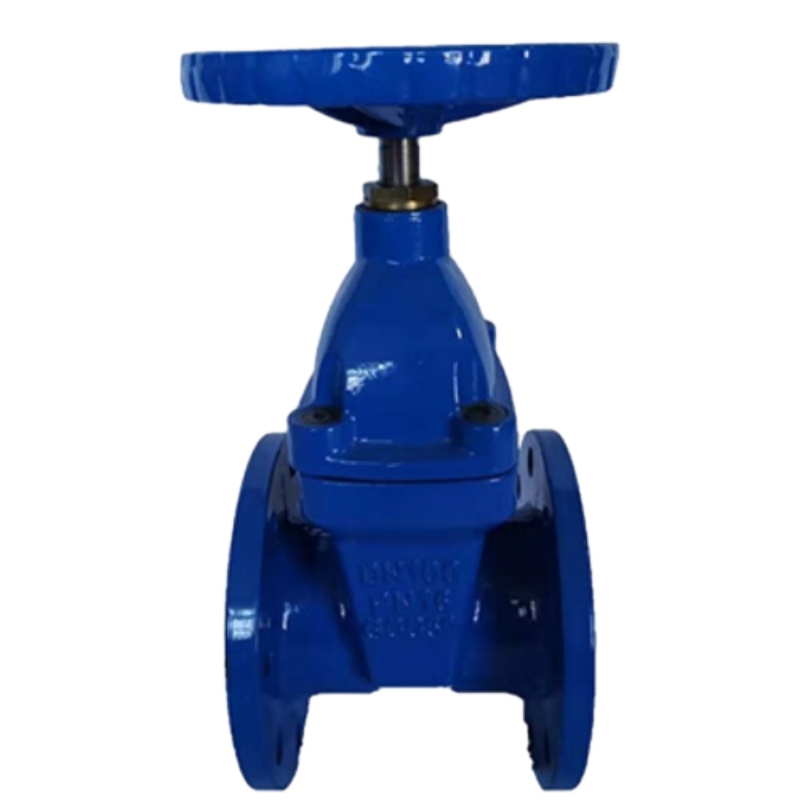
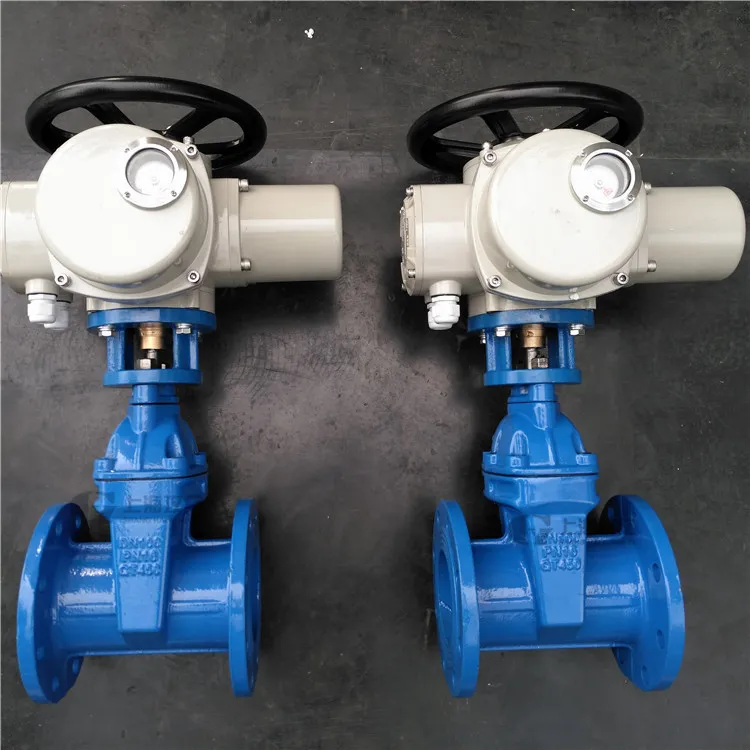
vratový ventil z oceli
Ocelové klapky Klíčový prvek v průmyslových aplikacích Ocelové klapky, známé také jako klapkové vent

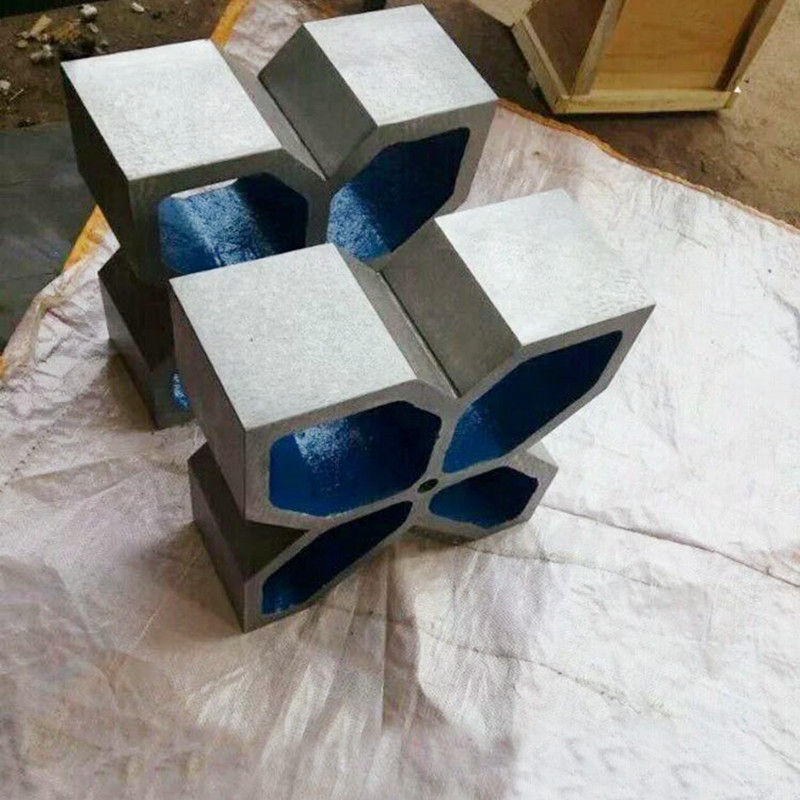
v block types
Understanding V-Block Types An Overview In the rapidly evolving landscape of technology and engineer
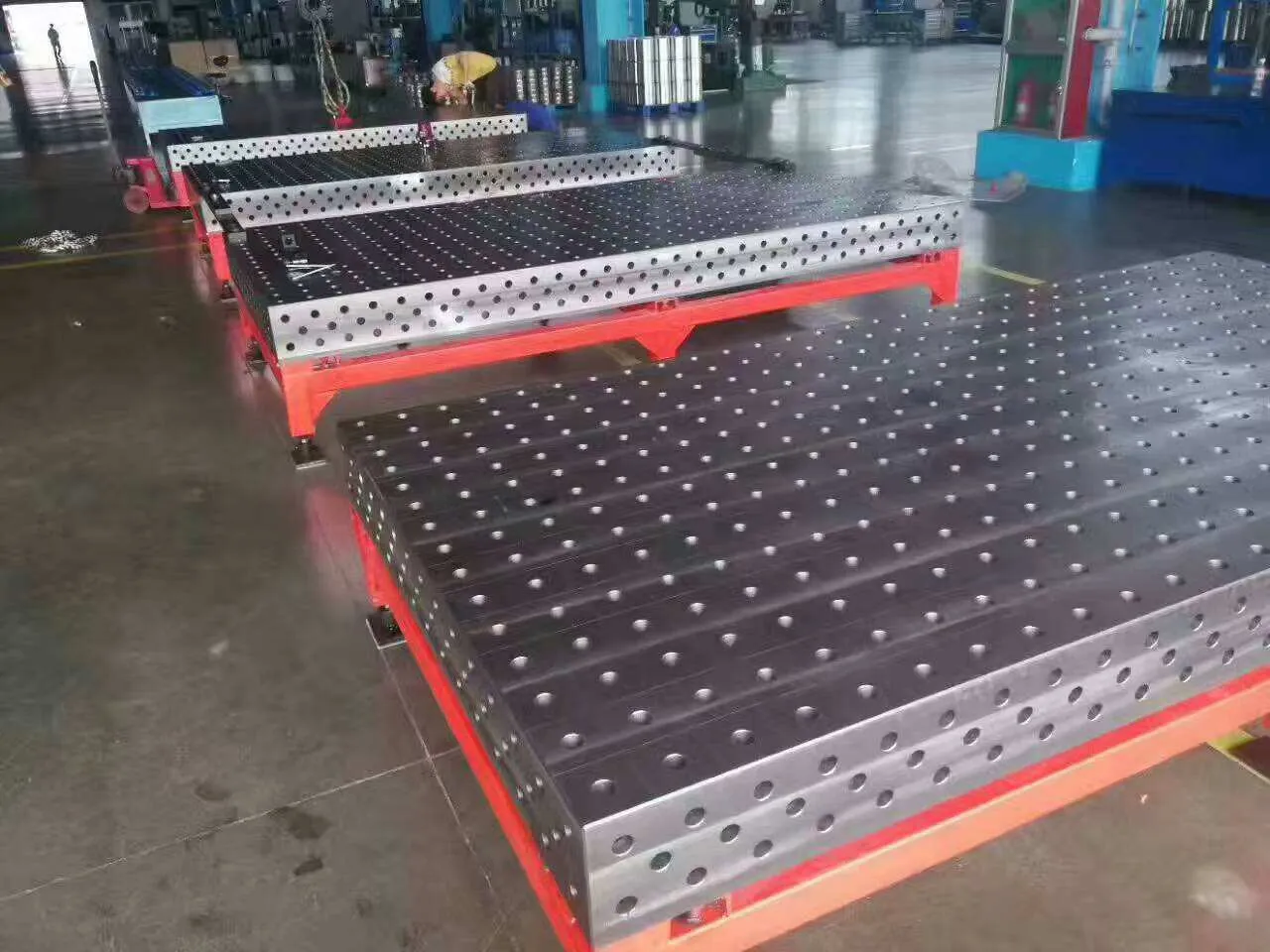
Welding Table for 3x6 Workpieces with Sturdy Construction and Adjustable Design
Welding is a crucial process in many industries, from manufacturing to construction. A proper weldin
 English